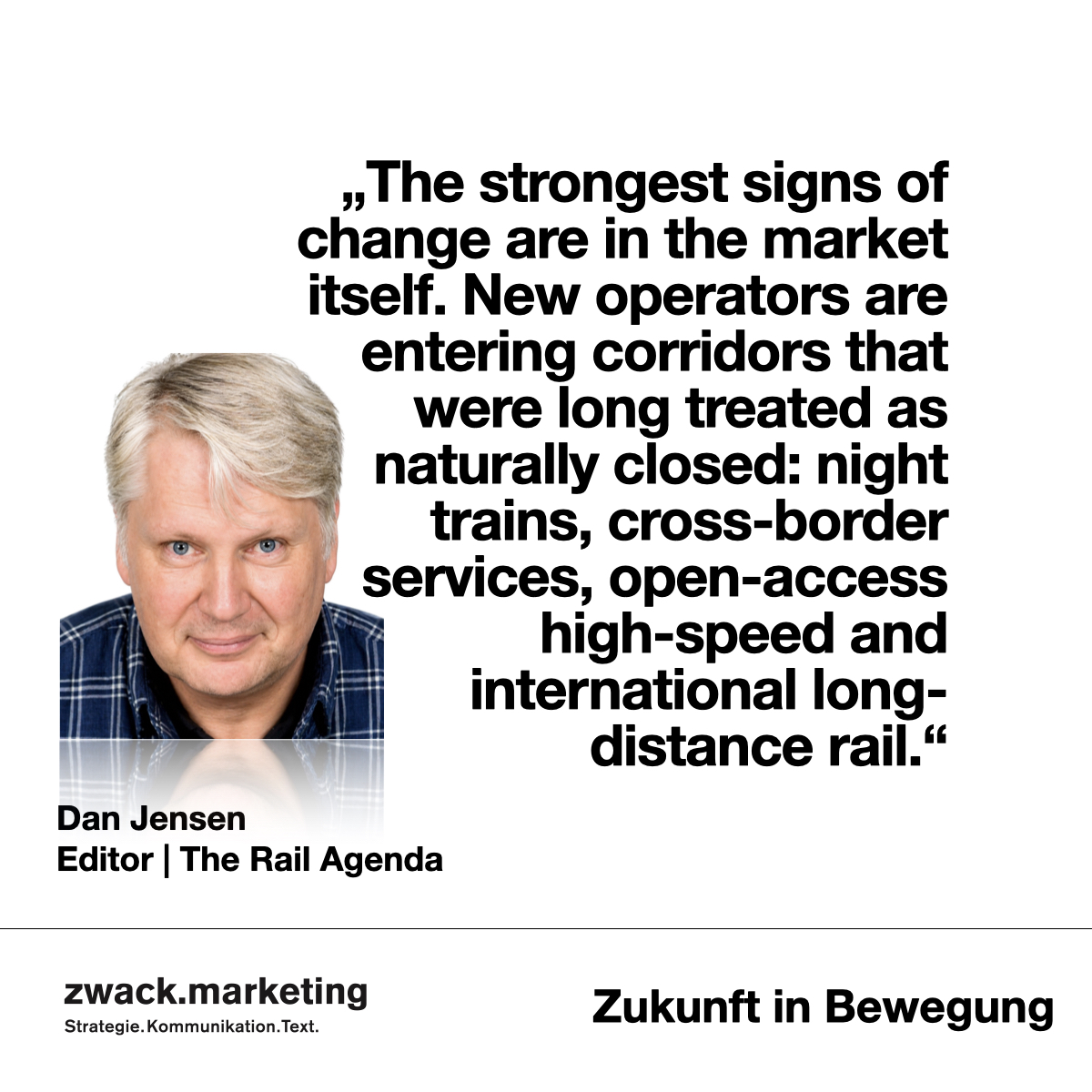
I recently had the opportunity to speak with Dan Jensen for my series of articles and interviews „Zukunft in Bewegung“ (future in motion). Dan publishes The Rail Agenda. His website and its newsletters deliver independent intelligence on European rail transport – a service I highly appreciate.
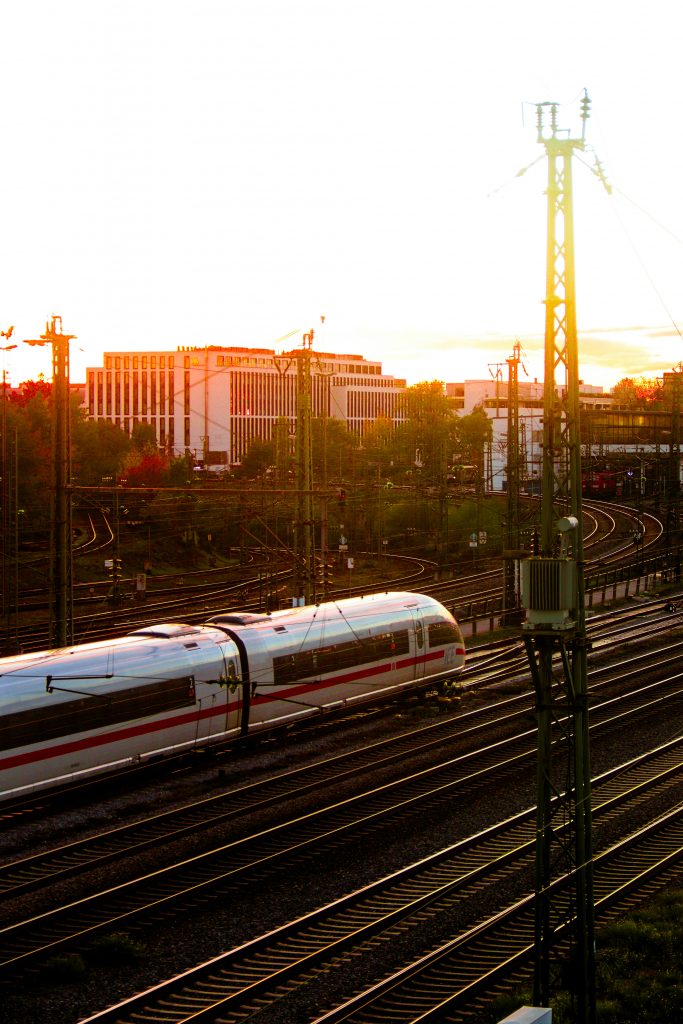
With Dan, I talked about the current situation and the overall future (with its challenges) of the European rail market: Yes, Europe’s railway sector is gaining momentum. Yet a gap remains between rising demand, political ambition and practical delivery.
In this interview, Dan Jensen explains where Europe’s rail renaissance is already visible and why the path towards a truly integrated European railway system remains challenging.
Benjamin Zwack: Where do you see the strongest signs of change in Europe’s railway sector — and where is progress still too slow?
Dan Jensen: The strongest signs of change are in the market itself. New operators are entering corridors that were long treated as naturally closed: night trains, cross-border services, open-access high-speed and international long-distance rail. That is changing how incumbents think about pricing, rolling stock, passenger experience and political legitimacy.
But progress is still too slow where Europe needs rail to work as one system. Interoperability remains difficult, cross-border paths are hard to secure, certification can take years, and infrastructure managers still operate mainly within national logics. Europe talks about a Single European Railway Area, but for many operators the practical experience is still fragmented, slow and expensive.
Benjamin Zwack: Which trends in rail deserve more public attention than they currently receive?
Dan Jensen: The supply side deserves much more attention. Public debate usually focuses on fares, delays and timetables, but behind that sits a very constrained industrial system. New trains are expensive, delivery times are long, certification is complex, and several manufacturers are dealing with large order books and difficult project execution.
That matters because rail policy depends on physical delivery. You can announce new services, climate targets and modal shift ambitions, but someone still has to build the trains, approve them, maintain them and make them work across borders. The bottleneck is not only political will. It is also industrial capacity, technical complexity and execution.
Benjamin Zwack: Looking ahead, what gives you the most confidence — and what worries you most — about European rail?
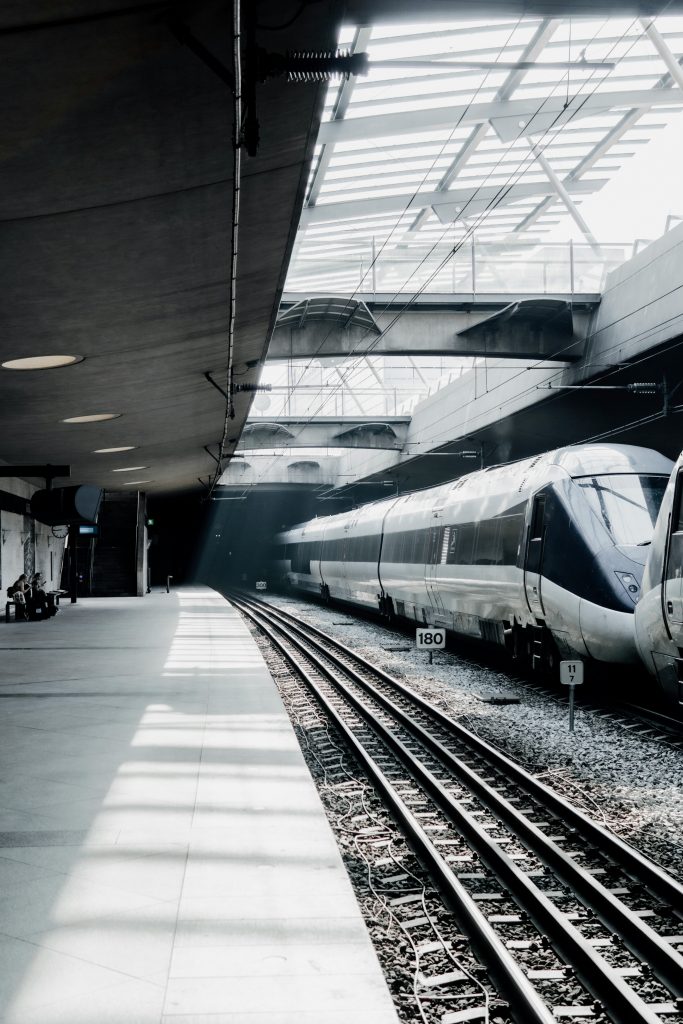
Dan Jensen: What gives me confidence is the European rail renaissance itself. There is a genuine public appetite for trains now — partly because of climate concerns, but also because people increasingly see rail as comfortable, civilised and politically meaningful. Night trains are the clearest example. A few years ago they were often treated as nostalgia. Today they are attracting investors, operators and serious public attention.
What worries me is the gap between that appetite and Europe’s ability to deliver at system level. Rail is still governed through national infrastructure managers, national safety authorities, national procurement habits and fragmented regulation. The passengers are more ready than the system. The political ambition is growing, but the machinery to turn that ambition into reliable cross-border rail is still too slow.
Thank you & mange tak, Dan!
photos: detait / unsplash.com, David Dvoráček / unsplash.com